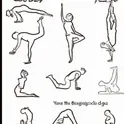

Yoga for Sciatica Nerve Pain: A Gentle Path Back to Comfort
Yoga for Sciatica Nerve Pain: A Gentle Path Back to Comfort
Yoga for sciatica nerve pain is often discovered not through fitness goals, but through desperation. Sciatica has a way of interrupting life without warning, sitting becomes unbearable, sleep is disrupted, and even simple movements trigger sharp or burning pain. For many individuals, this nerve pain doesn’t just affect the body; it quietly erodes confidence, patience, and hope.
Sciatica occurs when the sciatic nerve, the longest nerve in the body, becomes compressed or irritated. This compression often stems from herniated discs, spinal stenosis, muscle tightness (especially the piriformis), or prolonged sitting. While medication may mask symptoms temporarily, it rarely addresses the root cause. That’s where yoga for sciatica nerve pain becomes uniquely powerful.
Unlike high-impact exercise, yoga works slowly and intelligently with the nervous system. Through gentle stretching, mindful breathing, and controlled movement, yoga helps reduce nerve compression while retraining muscles to support the spine. Over time, this approach can calm inflammation, improve circulation, and restore mobility without forcing the body into painful positions.
Perhaps most importantly, yoga offers something sciatica sufferers rarely experience: a sense of control. Instead of fearing movement, individuals begin to trust their bodies again. That emotional shift alone can reduce pain sensitivity and accelerate healing, making yoga not just a physical practice, but a psychological one as well.
Understanding Sciatica and Why Yoga Helps
Sciatica is not a condition in itself, but a symptom of an underlying imbalance. The pain typically radiates from the lower back through the hips and down one leg, sometimes reaching the foot. This nerve-driven pain behaves differently from muscle soreness; it can feel electric, stabbing, or deeply achy, and it often worsens with inactivity.
Yoga for sciatica nerve pain works because it addresses both mechanical and neurological factors. Tight muscles around the hips and spine can compress the nerve, while poor posture and weak stabilizing muscles keep the problem recurring. Yoga gently releases tension while strengthening the core and spinal muscles that protect the nerves long-term.
Another key reason yoga is effective lies in breathwork. Controlled breathing activates the parasympathetic nervous system, reducing the body’s stress response. Since chronic pain heightens nervous system sensitivity, calming the breath can significantly reduce pain perception. This is a critical yet often overlooked component of sciatica recovery.
From an evidence-based perspective, studies have shown that yoga improves flexibility, reduces inflammation markers, and enhances functional movement in individuals with chronic lower back pain. When practiced consistently and safely, yoga for sciatica nerve pain becomes a sustainable, low-risk approach that complements medical care rather than replacing it.
Gentle Yoga Principles for Sciatica Relief
Before diving into specific poses, it’s important to understand how yoga should be approached when dealing with nerve pain. Sciatica is not the time for aggressive stretching or advanced poses. In fact, pushing too hard often worsens symptoms rather than relieving them.
The foundation of yoga for sciatica nerve pain is gentleness. Movements should be slow, controlled, and pain-free. Any pose that causes sharp pain, tingling, or numbness should be modified or avoided. Listening to the body is not optional; it is essential for healing.
Consistency matters more than intensity. Practicing gentle yoga for just 15–20 minutes daily often yields better results than sporadic long sessions. This regular movement keeps tissues hydrated, improves circulation, and prevents stiffness from settling back in.
Finally, alignment is critical. Poor form can increase nerve compression, especially in forward folds and twists. Using props like yoga blocks, straps, or bolsters allows the body to relax into poses safely. Yoga for sciatica nerve pain should feel supportive, not demanding.
Foundational Yoga Poses for Sciatica Nerve Pain Relief
Child’s Pose (Balasana)
Yoga for sciatica nerve pain often begins with Child’s Pose because it gently decompresses the spine. This pose encourages the lower back to lengthen while calming the nervous system. By folding forward with support, pressure around the sciatic nerve can ease naturally.
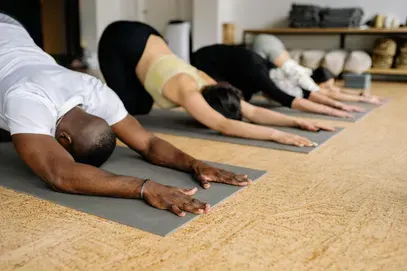
In this position, the hips relax toward the heels while the spine stretches passively. For sciatica sufferers, placing a bolster or pillow under the torso can make the pose more comfortable and accessible. The goal is not depth, but release.
Breathing deeply in Child’s Pose further enhances its therapeutic effect. Slow, diaphragmatic breathing reduces muscle guarding around the hips and lower back, which is a common contributor to nerve compression.
Practiced regularly, Child’s Pose becomes a safe resting posture that individuals can return to whenever pain flares. It establishes trust between movement and comfort, an essential step in long-term recovery.
Reclined Figure-Four Pose
This pose specifically targets the piriformis muscle, a frequent culprit in sciatic nerve irritation. When tight, this deep hip muscle can compress the sciatic nerve directly. Yoga for sciatica nerve pain often prioritizes this release.
Lying on the back reduces spinal load, making the stretch safer for sensitive nerves. Crossing one ankle over the opposite knee creates a gentle opening in the hip without forcing flexibility.
The key is subtlety. Pulling too aggressively can aggravate nerve symptoms. Instead, allowing gravity and breath to do the work keeps the nervous system relaxed.
Over time, this pose improves hip mobility and reduces asymmetrical tension, both crucial factors in preventing sciatica from returning.
Cat-Cow Pose (Marjaryasana–Bitilasana)
Cat-Cow introduces controlled spinal movement, which nourishes discs and improves nerve glide. Sciatica often worsens when the spine becomes stiff, so gentle mobility is essential.
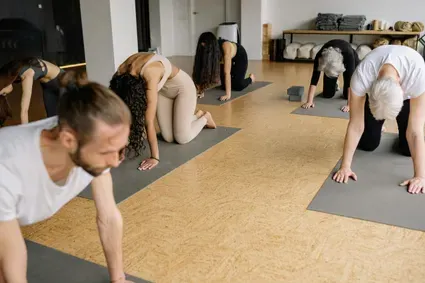
This pose alternates between spinal flexion and extension, improving awareness of movement without load. The slow rhythm synchronizes breath with motion, reinforcing nervous system regulation.
Yoga for sciatica nerve pain benefits greatly from this pattern because it restores confidence in spinal movement. Many sufferers subconsciously avoid bending due to fear, which ultimately increases stiffness.
Practiced daily, Cat-Cow helps retrain the spine to move safely and fluidly, reducing the likelihood of nerve irritation during everyday activities.
Knees-to-Chest Pose (Apanasana)
Apanasana gently stretches the lower back and glutes while massaging the spine. This pose helps relieve tension that accumulates from prolonged sitting, a common trigger for sciatica.
By hugging the knees toward the chest, the lumbar spine decompresses naturally. The pose also stimulates circulation around the pelvis, which supports healing tissues.
For individuals with sciatica, rocking side to side can enhance comfort, but remaining still is equally effective. The emphasis remains on relaxation rather than force.
Yoga for sciatica nerve pain often includes this pose as a closing posture, signaling safety and rest to the nervous system.
Lifestyle Integration: Making Yoga Work Long-Term
Practicing yoga in isolation is helpful, but integrating it into daily life makes the difference between temporary relief and lasting change. Sciatica thrives in static environments, long hours of sitting, poor posture, and stress.
Using yoga as a daily reset helps counteract these factors. Even brief sessions restore movement and prevent stiffness from compounding overnight or during work hours.
Mindfulness learned through yoga also transfers into daily habits. Individuals begin noticing how they sit, stand, and move. These small adjustments significantly reduce repeated nerve irritation.
Yoga for sciatica nerve pain becomes not just a routine, but a protective system, one that quietly and consistently supports the body.
When Yoga Alone Isn’t Enough
While yoga is powerful, some individuals require additional support especially during flare-ups. Props, guided programs, or targeted tools can enhance comfort and safety.
Many people benefit from combining yoga with gentle heat, massage, or acupressure. These methods relax muscles before stretching, making poses more effective and comfortable.
The most successful sciatica recovery plans are layered. Yoga addresses movement and awareness, while complementary tools reduce barriers to consistency that cause pain.
This balanced approach respects the reality of nerve pain while still empowering individuals to take an active role in their recovery.
Moving Forward With Yoga for Sciatica Nerve Pain
Living with sciatica can feel limiting, frustrating, and unpredictable, but it doesn’t have to define your daily life. Yoga for sciatica nerve pain offers a gentle, sustainable way to reconnect with your body, release built-up tension, and create the conditions your nervous system needs to heal. Rather than forcing change, yoga invites progress through patience, awareness, and consistent care.
What makes yoga especially powerful is its adaptability. Whether your pain is mild or persistent, the right poses practiced mindfully can meet you where you are. Over time, small daily sessions can restore mobility, reduce flare-ups, and rebuild trust in movement. Just as importantly, yoga helps shift your mindset from avoidance and fear toward confidence and self-support.
If you’re beginning this journey, remember that relief doesn’t come from pushing harder, it comes from listening better. Pairing gentle yoga with supportive tools, proper posture, and rest can amplify your results and make recovery feel more achievable. Progress may be gradual, but each mindful stretch is a step toward greater comfort and freedom.
Ultimately, yoga for sciatica nerve pain is not about perfection or flexibility—it’s about creating space for your body to feel safe, supported, and capable again. And sometimes, that quiet sense of reassurance is where real healing begins.
FAQs for Yoga for Sciatica Nerve Pain
1. What is sciatica, and how does yoga help?
Sciatica is pain that travels along the sciatic nerve, affecting your lower back, hips, and legs. Yoga helps by stretching and strengthening muscles, improving blood flow, and reducing tension around the nerves.
2. Is it safe to practice yoga if I have sciatica?
Yes, practicing yoga can be safe and beneficial if done gently. Choose poses that avoid straining your back. It's best to consult with a healthcare professional before starting any new exercise routine.
3. What types of yoga poses should I avoid?
Steer clear of deep twists, forward bends, and poses that compress the spine. Focus on gentle stretches that promote elongation and strength without pushing your limits.
4. How often should I practice yoga for sciatic pain relief?
Aim for 3-4 times a week. Short, consistent sessions can provide better results than long, sporadic workouts. Consistency builds strength and flexibility over time.
5. Can beginners do yoga for sciatica?
Absolutely! Beginners can start with modified poses and focus on alignment. Engaging in gentle movements helps ease discomfort and builds confidence as you progress.
6. How long until I feel improvement?
Many people notice some relief within a few sessions. However, everyone's body is different. Stay patient, and give your body time to respond to the practice.
7. Do I need special equipment for yoga?
No need for fancy gear! A sturdy yoga mat and comfortable clothing are all you need. Optional props, such as blocks or straps, can assist with certain poses.
8. Can I combine yoga with other treatments for sciatica?
Definitely! Yoga can complement physical therapy, medication, or other treatments. Always communicate with your healthcare provider to ensure a coordinated approach to your care.
Extra Resources
For readers who want to deepen their understanding of sciatica and safe movement practices, reputable resources like the
Yoga Journal’s guide to yoga for sciatica offers expert-backed pose breakdowns and modifications.
Spine-Health sciatica resource center provides medically reviewed explanations of causes, symptoms, and treatment options.
You may also find the Arthritis Foundation’s yoga and pain management section useful for understanding how gentle movement supports nerve and joint health.
Affiliate Product Recommendation
Product Name: Back Support Lumbar Pillow for Sciatica Relief
Description:
This ergonomic lumbar support pillow is designed to reduce pressure on the lower spine while sitting or resting. It helps maintain healthy spinal alignment, making yoga for sciatica nerve pain more effective by preventing daily posture-related flare-ups.
👉 https://amzn.to/4aKavlZ